
Large areas and Parkings
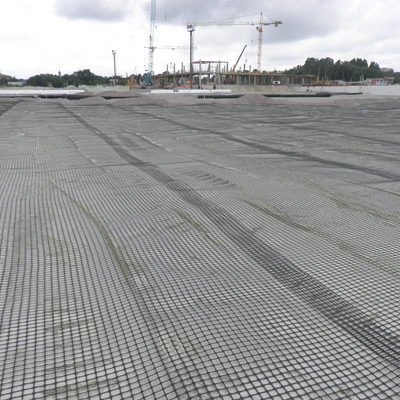
In order to build infrastructures in large areas on soft soil, the soil characteristics need to be improved to increase its bearing capacity, avoid the development of holes and reduce the differential settlement.
Tenax geogrids and geocomposites are specifically designed for the base reinforcement of yielding soil: these solutions have low impact and are cost-effective compared with other kinds of solutions.
Base reinforcement
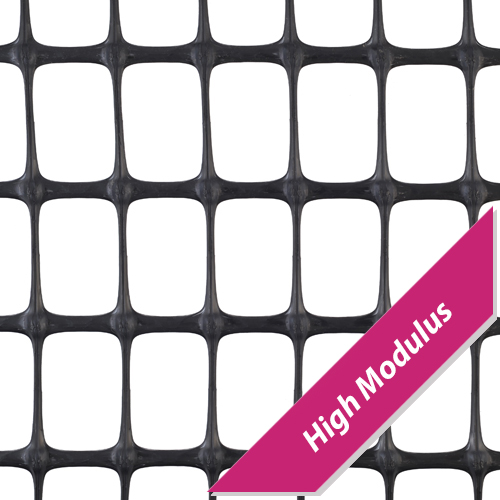
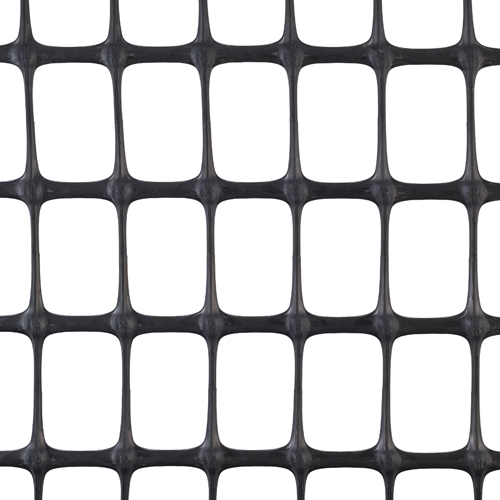
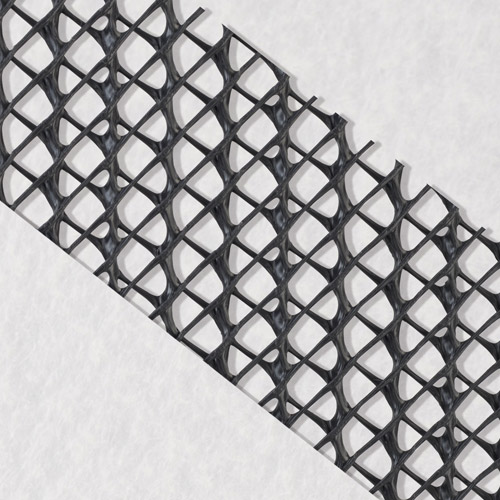
High Modulus Tenax LBO HM geogrids and Tenax GT HM geocomposites feature a high modulus at low strains, thus offering better performance than traditional products.
Capillary break layer
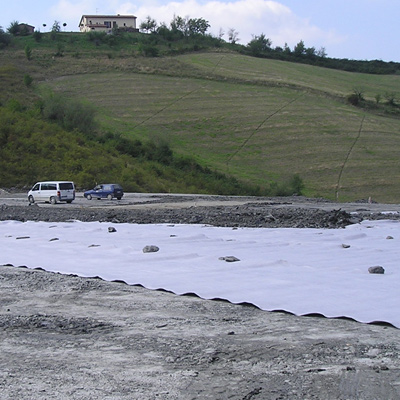
The presence of groundwater could cause capillary rise and the water could reach the structures built. This can cause problems in the long term.
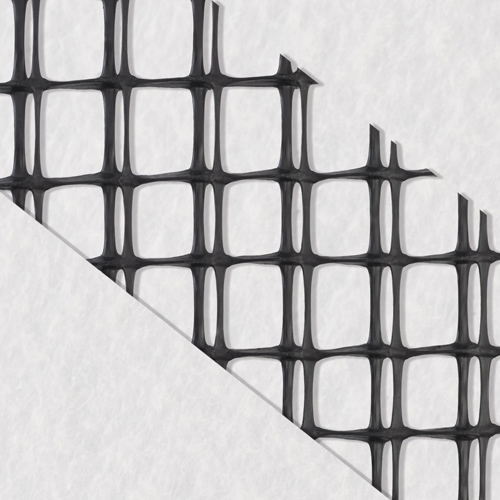
Therefore, it is necessary to plan a capillary break layer made with a Tenax TENDRAIN or Tenax HD geocomposites in place of the traditional draining soil. These solutions provide cost savings, the vehicles needed to transport them are fewer and their installation is quicker.
Base reinforcement
Capillary break layer

Technical Competence Center
Specialized technical support for Designers and Contractors