Sustainability

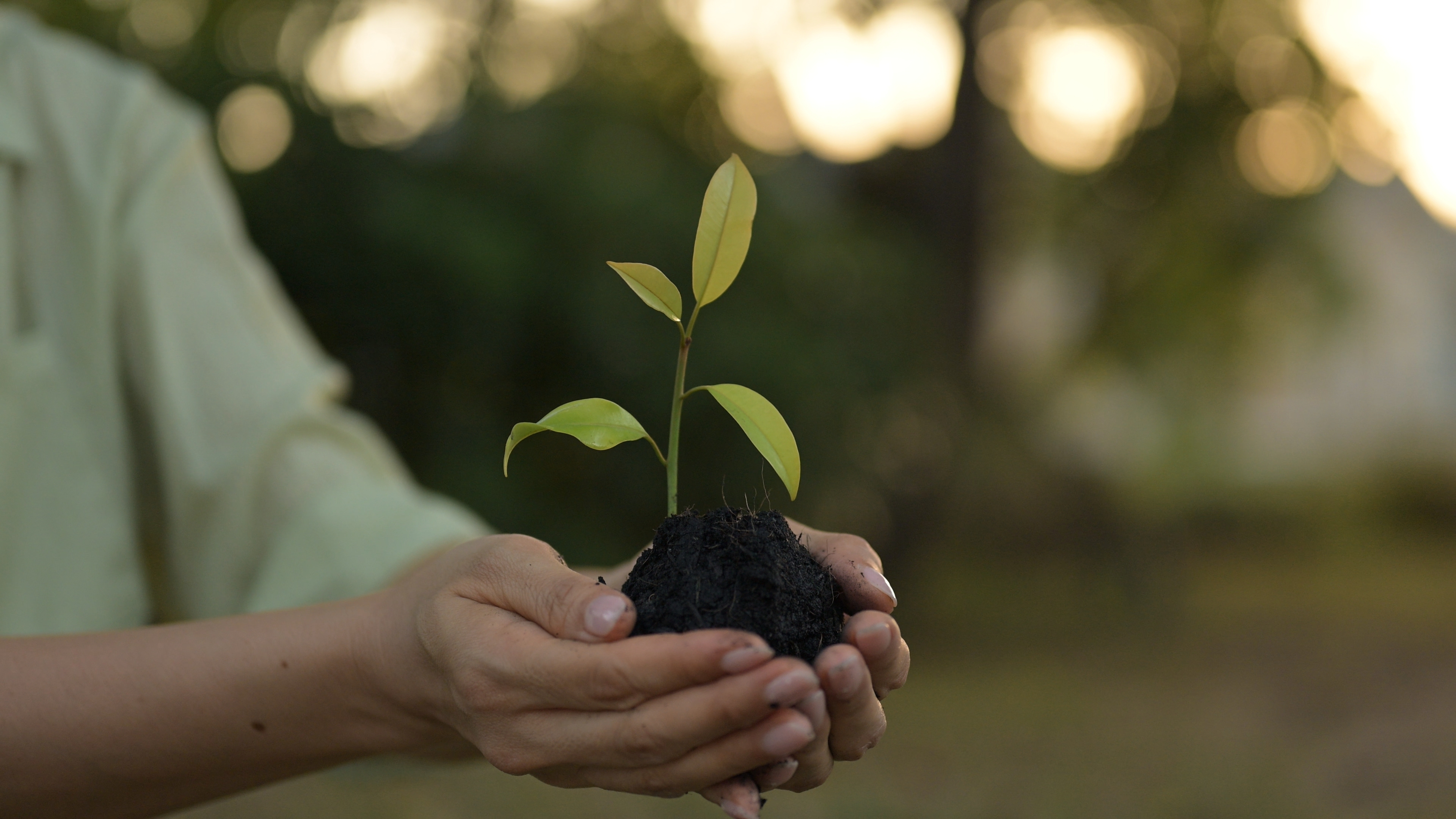
Sustainability is essential for maintaining a prominent position in today's market. We believe that adhering to these principles is not only essential for operating effectively, but also an ethical responsibility that cannot be ignored by the company.

The beginning of a journey

Our concrete commitment is manifested through a radical reformulation of production and consumption processes, embracing a circular economy perspective.

Careful selection of materials is crucial: we aim to ensure greater durability and reusability, promoting recycling and reducing dependence on virgin raw materials.


environmental certifications We have obtained certifications such as EPD – Environmental Product Declaration, which attest to our focus on sustainable design and the choice of raw materials.

Circular materials and processes
Most of our products are made from recycled and recyclable materials, using optimized production cycles that reduce waste and energy consumption.

Our sustainable solutions

Each market in which we operate has specific characteristics, needs, and challenges. A common and distinctive feature of our solutions is the significant advantages guaranteed by the use of plastic:

  • Its light weight reduces transportation costs.
  • The speed of installation and its intrinsic cost-effectiveness reduce construction costs.
  • Its high resistance extends the useful life of structures.
  • Requires minimal maintenance
  • It is a durable material that can be recycled at the end of its life.

With a view to reducing our footprint on the planet, we are increasingly focusing on the use of recycled and biodegradable plastic:88% reduction in energy consumption using recycled HDPE and PP compared to virgin materials71% reduction in the Global Warming Potential of recycled HDPE and PP compared to virgin materials

2030 Agenda

With our solutions, we are actively committed to supporting two of the United Nations' 2030 Agenda goals in particular:

SDG 9

Promoting innovation and sustainable industry

SDG 11

Safer and more resilient cities and communities

Social responsibility

Constant dialogue with our people is a pillar of our corporate philosophy.
This ongoing exchange gives rise to concrete initiatives in support of those who work with us: from the creation of a welfare platform to economic support programs, to training courses designed to spread a shared and conscious culture on the issues of sustainability and respect for the environment.

A challenge for everyone

The environmental issues we will face in the near future are all interconnected: climate change and biodiversity loss are among the most pressing. The solutions required are complex and systemic, but everyone must do their part.

This is why Tenax pays special attention to:

Civil and environmental engineering
Our geosynthetics applied to civil and environmental engineering contribute to climate change adaptation and mitigation, as they can be used to anticipate or minimize potential damage. Thanks to their structural characteristics, they have a lower environmental impact than other solutions.

Agriculture
Agriculture is one of the sectors most affected by climate change. It is essential to help preserve a market that is vital for life, which will become increasingly important as the world's population grows and the demand for food increases.

Home and Garden
Just as we contribute to large-scale crop protection, we also want to support all those people who devote part of their garden to growing vegetables. A protected vegetable garden produces crops all year round.
Our solutions are extremely lightweight yet durable and resistant. What's more, after a long service life, our products are fully recyclable.


Industry The filtration industry plays a fundamental role in saving and recovering natural resources: primarily air and water. Filtration technologies are the first line of defense against pollution and contribute to the creation of safer and healthier environments by reducing air emissions and, consequently, generating positive impacts on the environment and human health. Filtration technologies and products contribute to the optimization of industrial processes by further reducing atmospheric emissions and resource consumption.