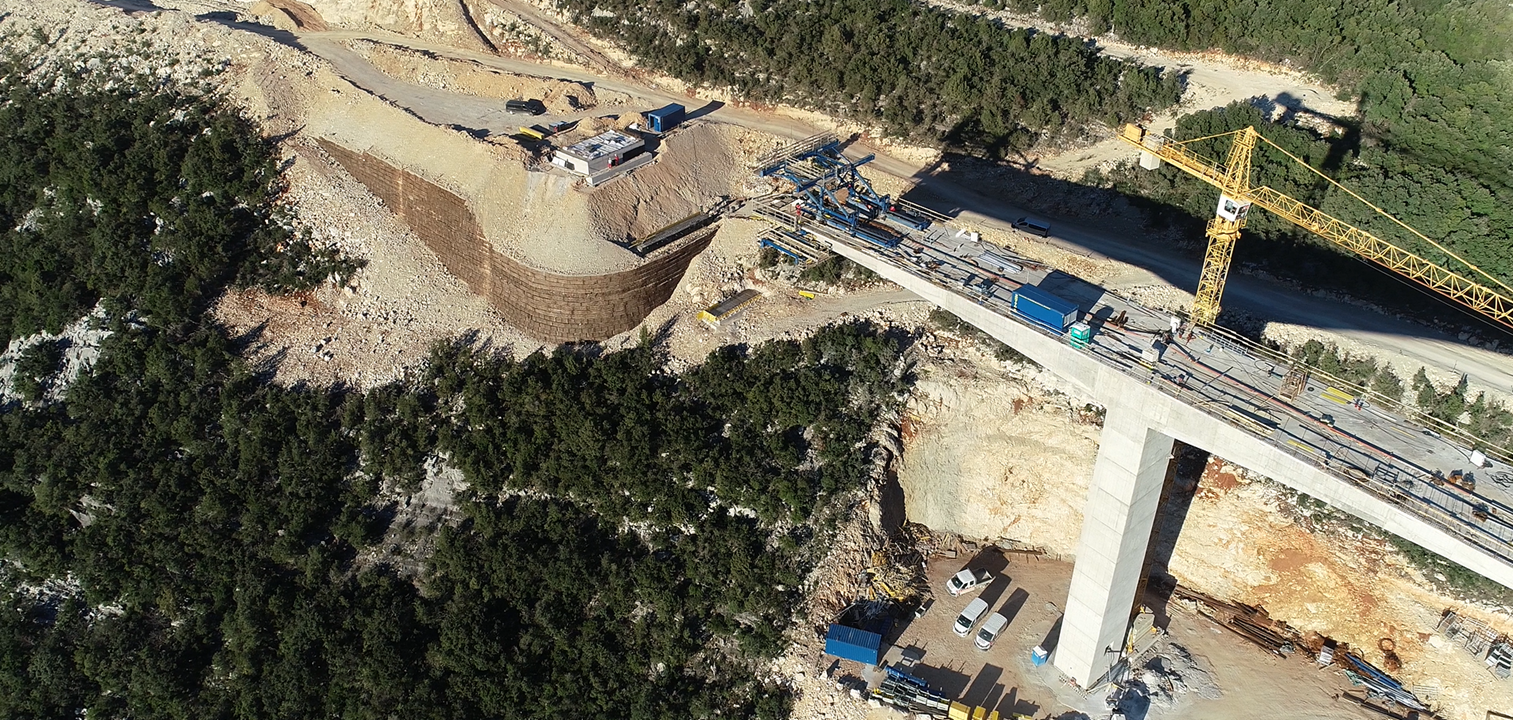
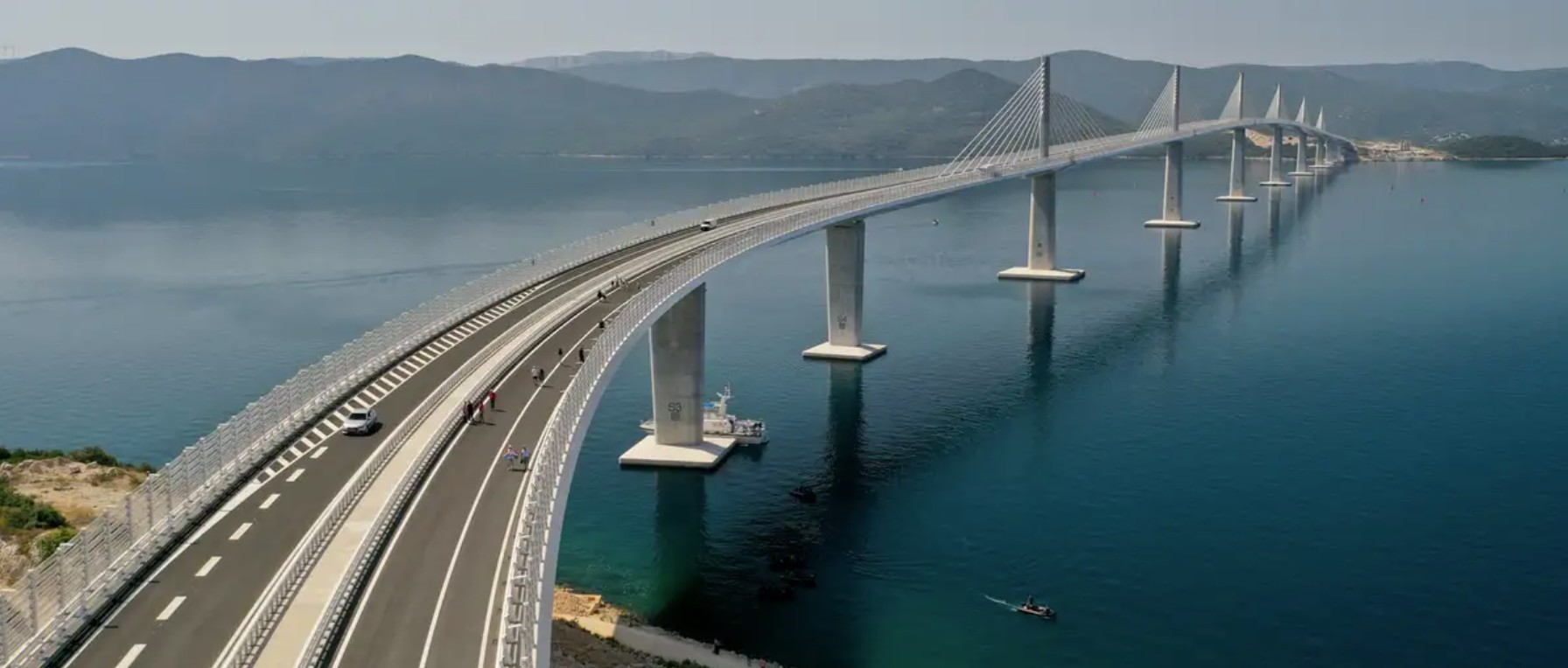
Opened on July 26, 2022, the Pelješac Bridge is the largest and most ambitious infrastructure project ever undertaken in Croatia. With a length of 2.4 km, the bridge has finally connected the southern region of Dalmatia to the rest of the country, overcoming the separation imposed by the obligatory passage through Neum (Bosnia and Herzegovina). This extraordinary project not only has symbolic and geostrategic value, but also represents an example of engineering innovation.
Tenax's contribution to the project
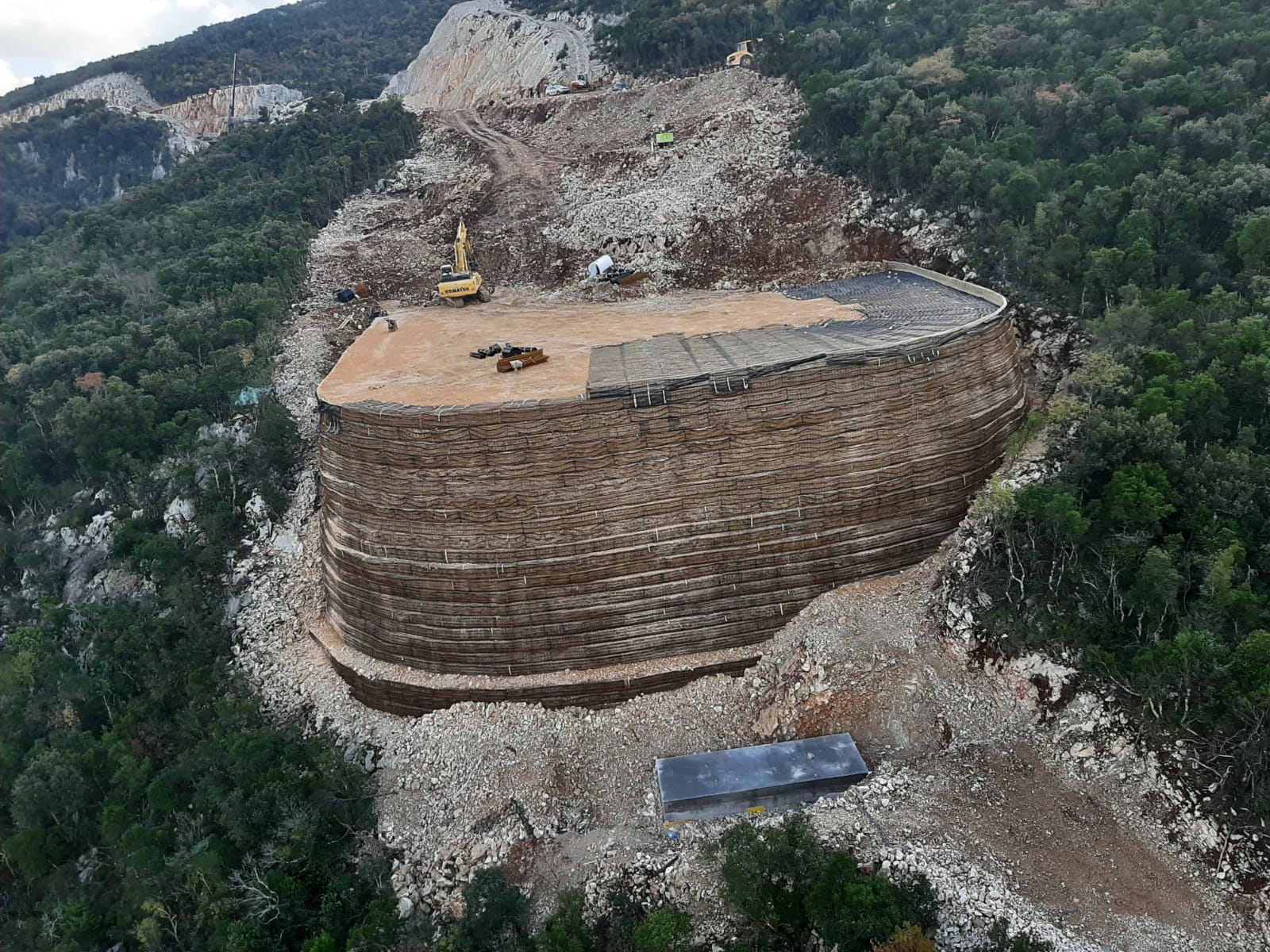
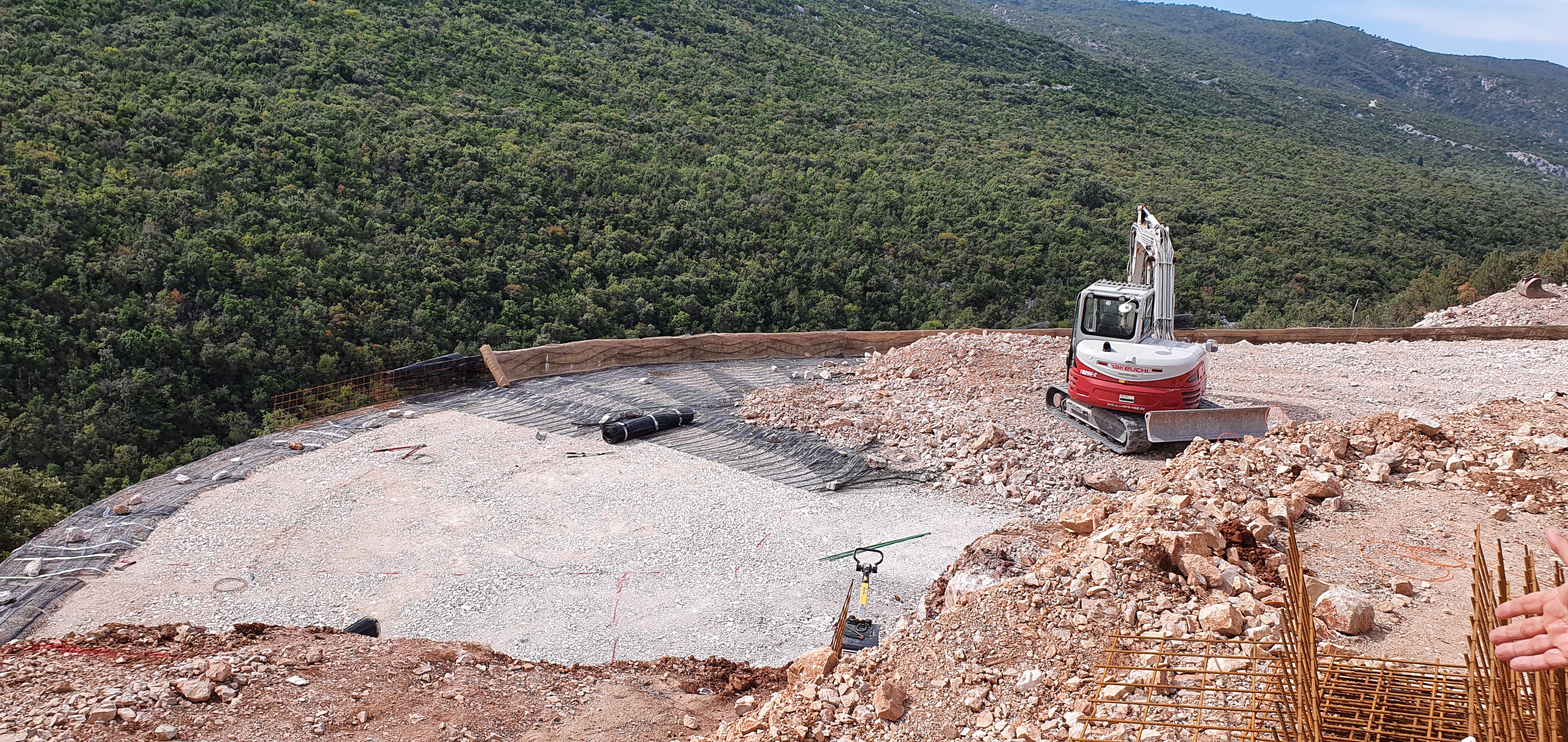
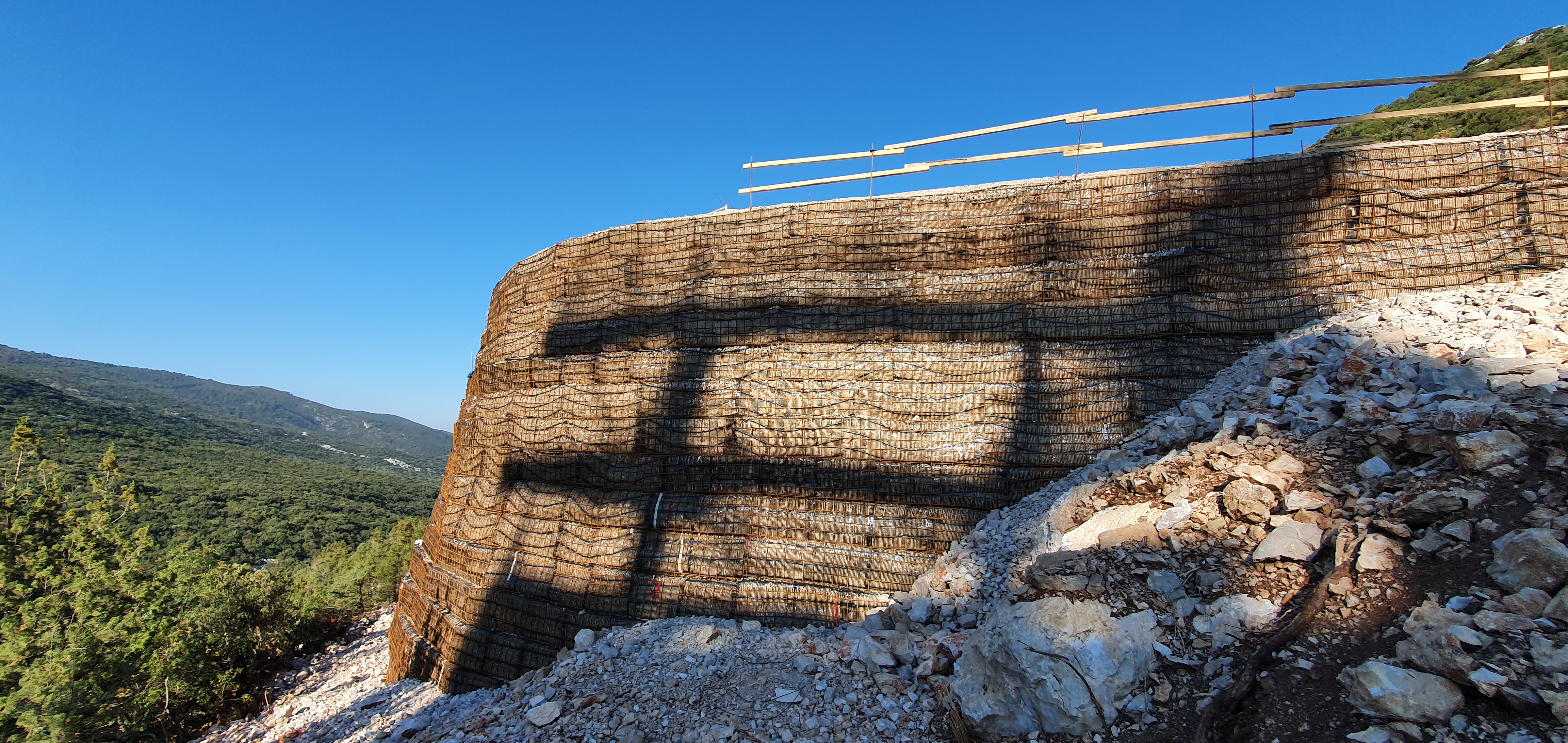
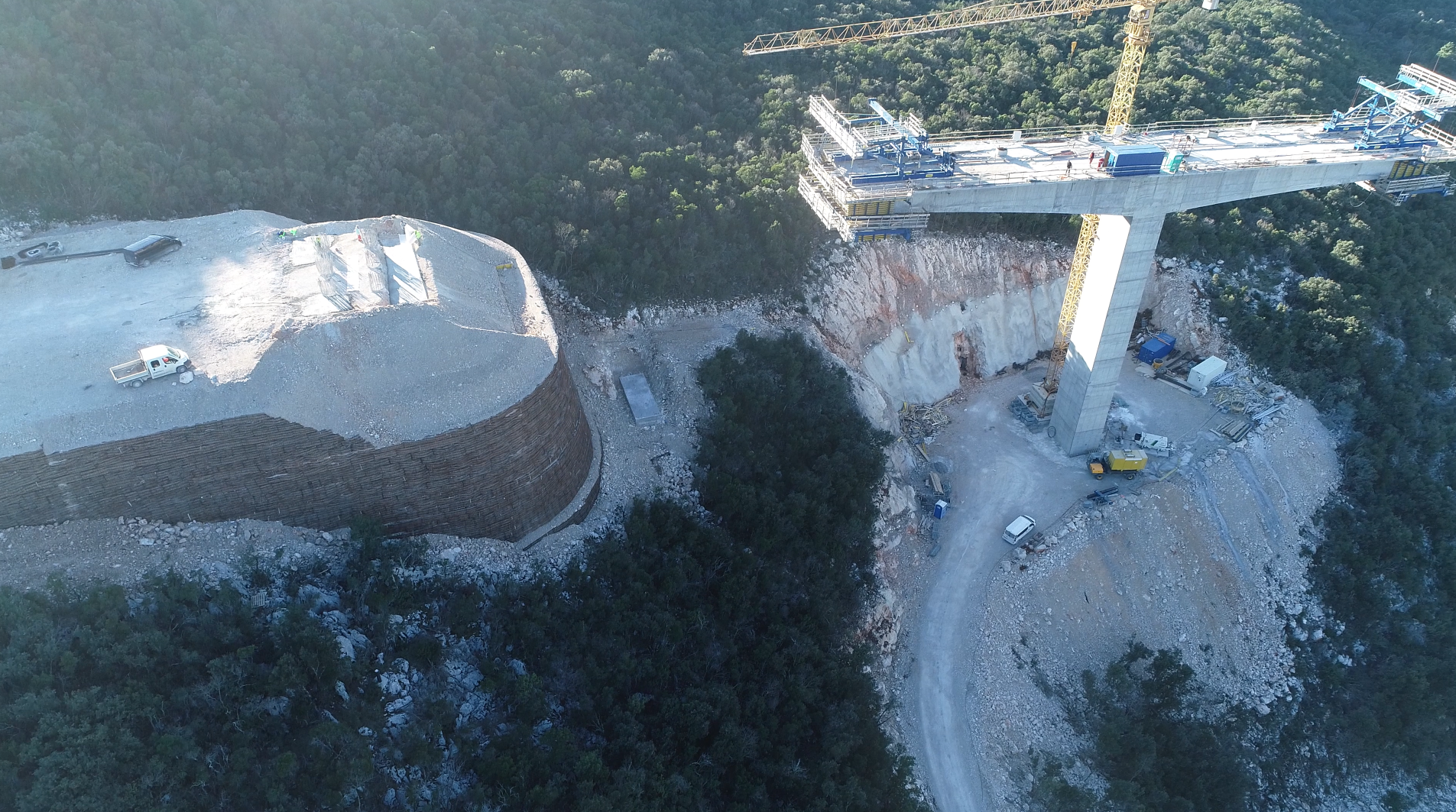
Tenax played a crucial role in the adoption of advanced construction techniques, in particular the use of geogrid-reinforced earth, a solution that made it possible to replace the viaducts originally planned and simplify the construction process, with significant benefits in terms of time, cost, and environmental impact.
Reinforced earth, a technique consisting of layers of high-strength geogrids, was used to replace the Doli and Brijesta viaducts, improving the sustainability of the project and optimizing resources. In addition, it was possible to design the structures to withstand the seismic conditions of the site, a fundamental aspect for the long-term safety of the work.
Efficiency and sustainability: the tangible benefits
The use of geosynthetics has brought numerous advantages, including:
Cost savings: up to 30% compared to traditional solutions, thanks to the reuse of excavated materials.
Reduction in construction time: the work was completed with remarkable productivity, reducing execution time by 20%.
Sustainability: the reduced environmental and visual impact, together with the possibility of greening the facades, has contributed to reducing CO₂ emissions and the use of concrete.
A project that marks a step towards the engineering of the future
The Pelješac Bridge is not only an infrastructural achievement but also a testament to how modern engineering can combine innovation, sustainability, and practicality. Thanks to the use of cutting-edge solutions, the project has made it possible to create a structure that not only connects territories but also skills, optimizing construction processes and respecting the environment.