
Three-dimensional geomat for erosion control

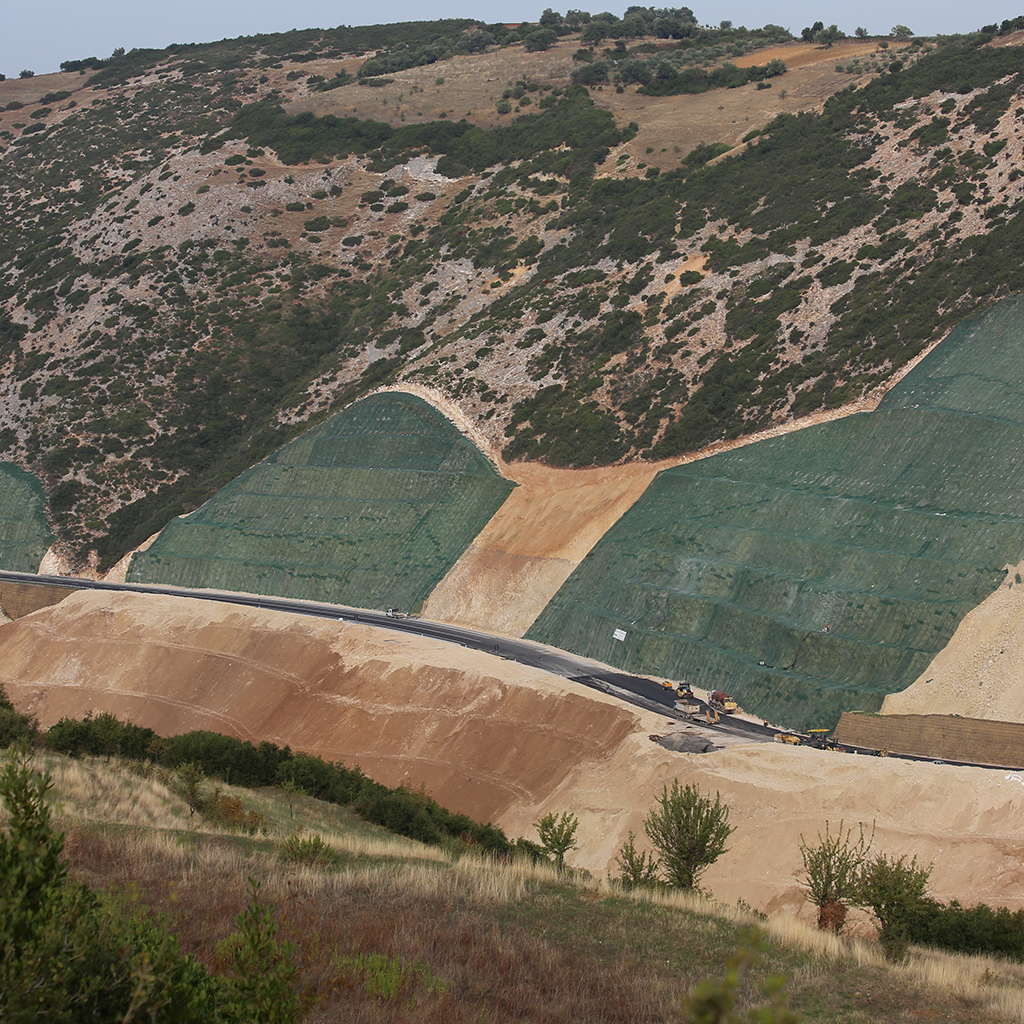
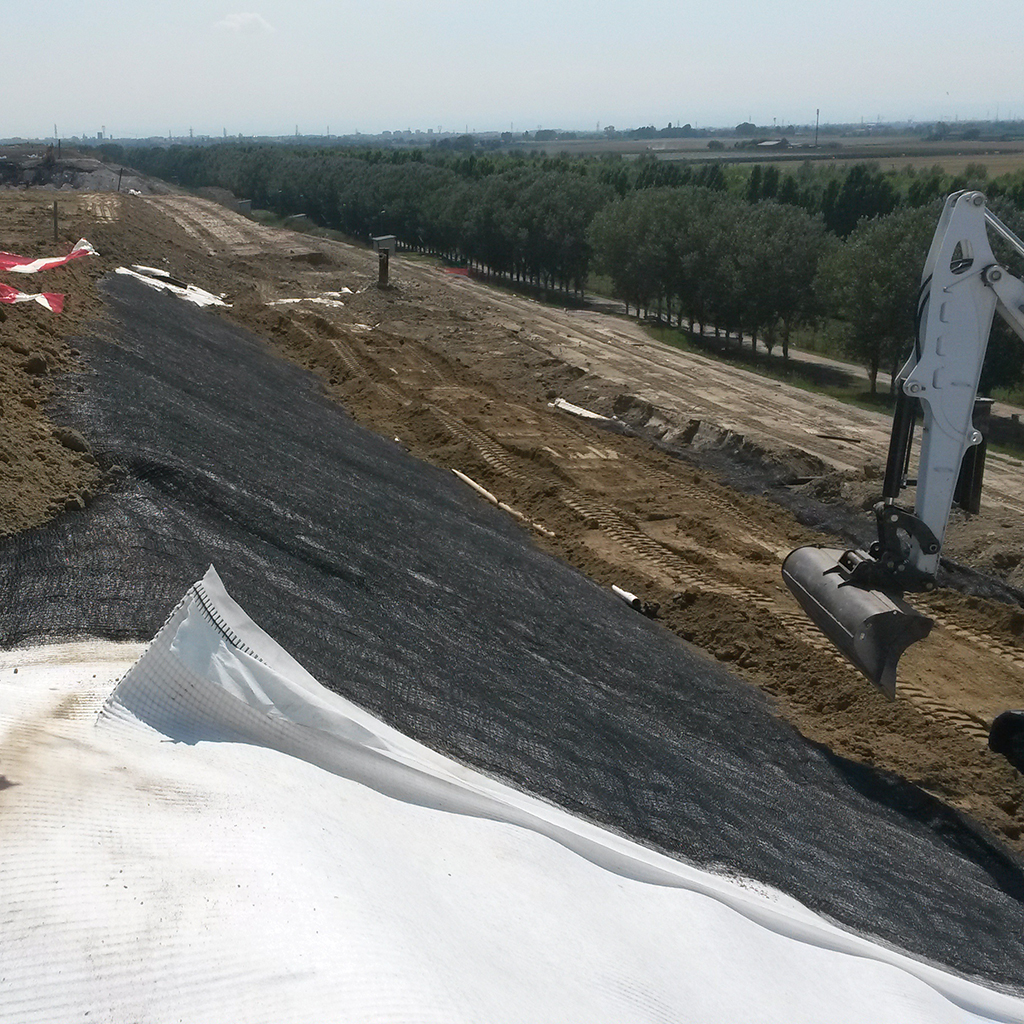
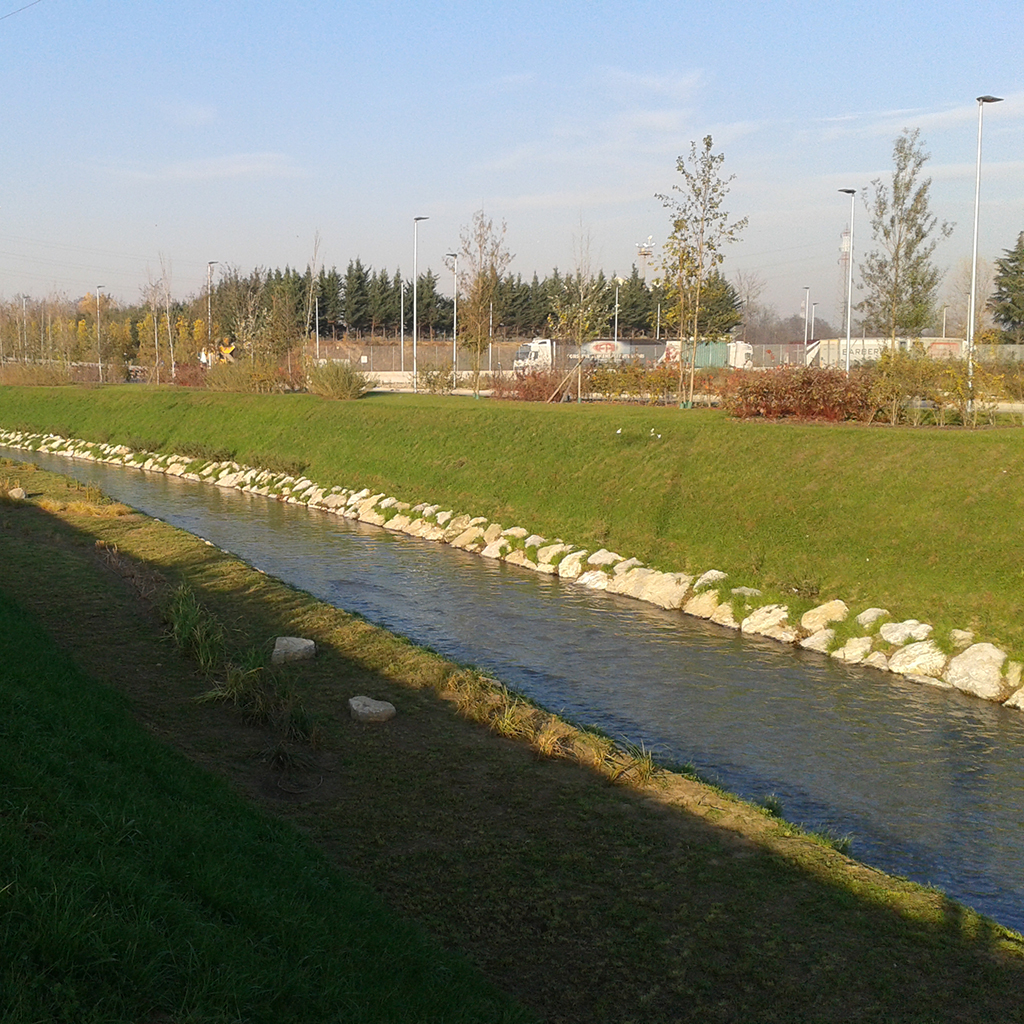
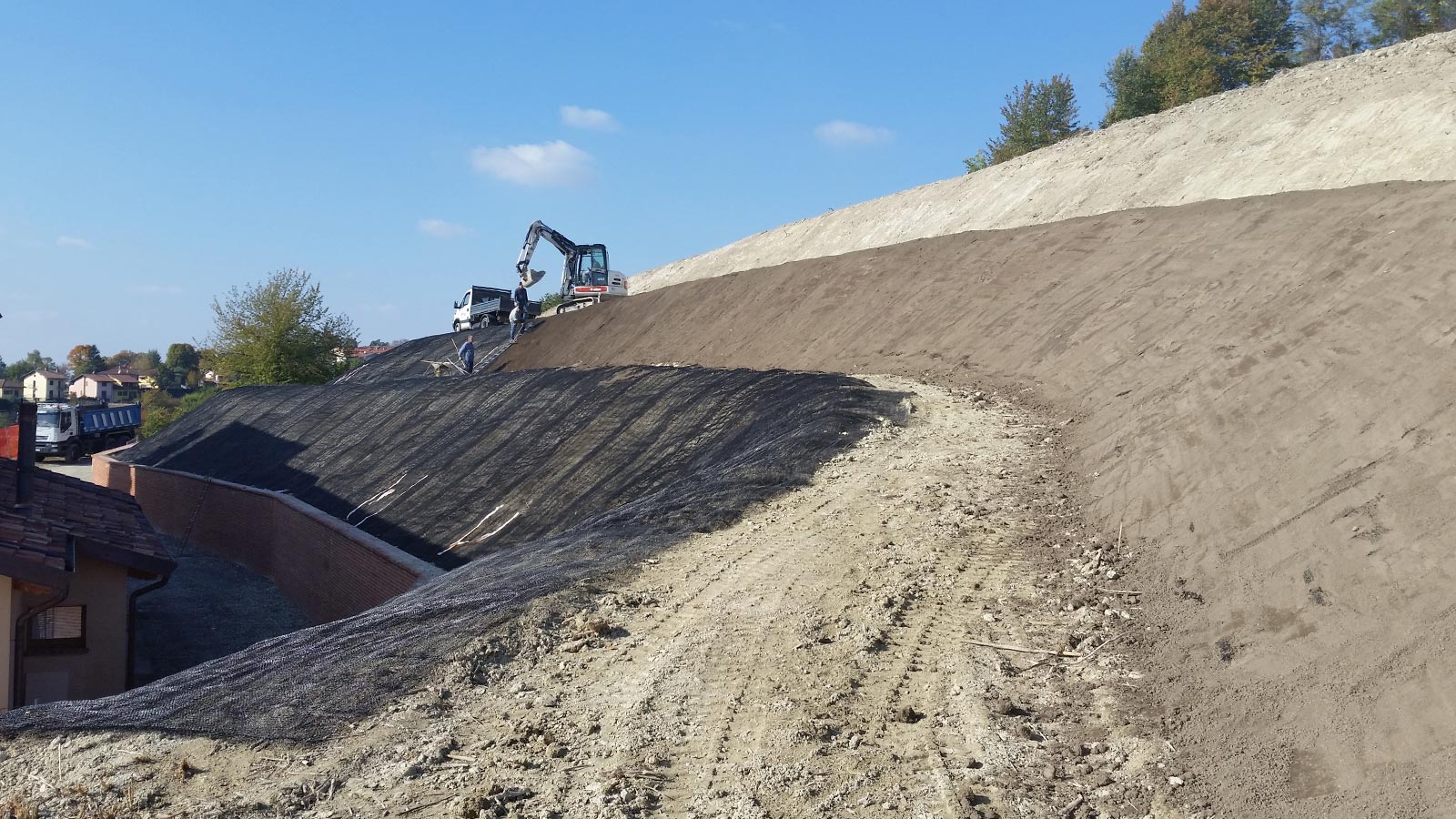
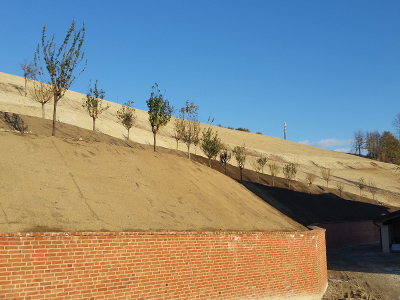
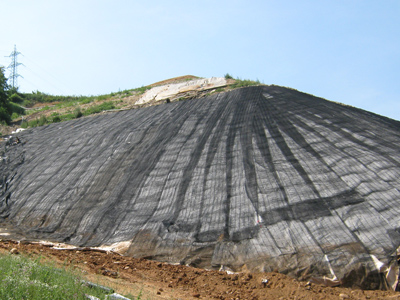
The Tenax Multimat three-dimensional geomat is specifically designed to protect slopes subject to surface erosion, prevent the formation of ruts, and ensure revegetation. It can be used on road and railway embankments, to protect the banks of reservoirs and canals, and to cover landfills.

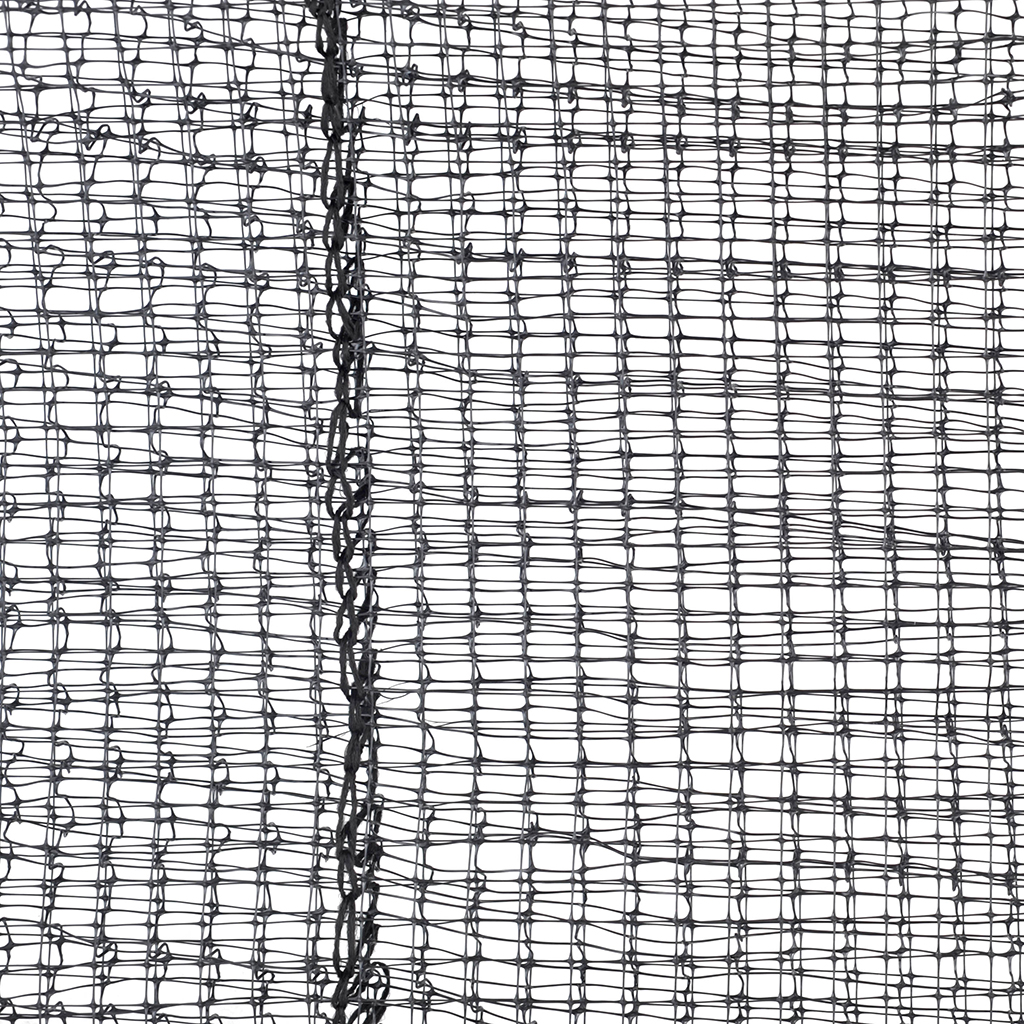
It is made with two outer layers of flat polypropylene (PP) geogrids and a central pleated layer to give the product consistency and thickness: thanks to the central layer, it is resistant to crushing, and the layers are industrially sewn together with high-strength thread to provide compactness.

Multimat geomat does not degrade and maintains its characteristics over time; the flexibility of the product allows it to follow the shape of the ground and be laid even in the presence of curves or changes in slope.

Tenax Multimat is available in rolls up to 4.40 m wide for applications such as landfills, in order to speed up installation, or in 2.20 m widths for smaller jobs.

It can also be supplied with a reinforcement geogrid (Multimat R) for applications requiring high tensile strength, or with a pre-seeded vegetation mat (Multimat P) to promote and accelerate revegetation.

Applications of the TENAX MULTIMAT product

  • Slopes and embankments
  • Landfills and contaminated sites
  • Roads and railways
  • Landscaping
  • Basins and canals


Brochure
Download
Installation procedure
Download
Grandate (CO)
Download
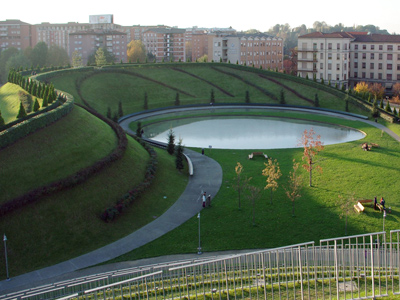
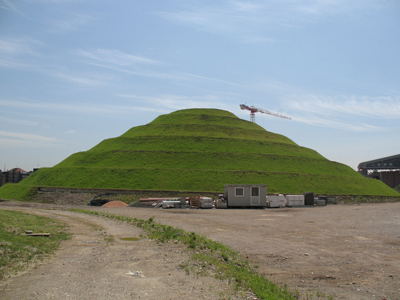
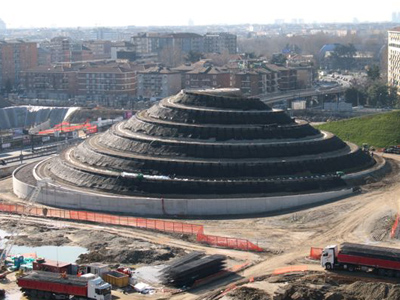
Portello Park (Milan)
Download

TENAX MULTIMAT

Soil erosion is a natural phenomenon involving the removal of the surface layer of soil by water and wind; it is a complex process influenced by numerous factors such as climate, soil type, hydrology, and vegetation.
To prevent this phenomenon, it is necessary to protect the soil from the effects of atmospheric agents by using erosion control materials such as anti-erosion geomats, produced by extruding thermoplastic polymers.
Once laid, the geomats are filled with soil: the soil is then locked in place and the grains can no longer be displaced by rain and wind because they are held in place by the central net, while the upper net prevents the soil from escaping upwards. The net structure allows water to filter through, ensures soil permeability, and allows vegetation to grow.
The Multimat three-dimensional geomat has a multi-layer structure that provides greater resistance to crushing than geomats produced by tangling the filaments: in fact, the dense central pleating limits the deformability of the product during clogging with soil.