Mulching |
TENAX products for mulching
TENAX has developed a complete range of synthetic film, covers and non-woven fabrics:

BLACK COVER: totally impermeable plastic film, it prevents the germination of weed seeds. It requires underneath irrigation.
Ideal for vegetable gardens.
DOT COVER: permeable plastic film, it allows the aeration and irrigation of the soil and prevents the growth of infesting weeds.
Ideal for vegetable gardens.

FULL COVER: non woven fabric in PP, available in two different weights. Permeable to air and water, it is
easy to shape and ideal for flowerbeds and generally in the garden, it is also used in pathways, as soil stabilizer under the gravel.
It needs to be covered with bark to avoid degradation of sun rays.
GREEN COVER: PP cover, permeable and extremely resistant. It is the ideal solution for flower beds, tree planting along paths and small slopes.
TENAX products for weed control and mulching |
Mulching For as long as trees have grown in forests, leaves and needles have fallen to the ground and formed a natural protective layer over the soil.
This simple process protects the plant, hampers the growth of weeds, keeps the soil moist and at a constant temperature, thus preventing that the beating rain will compact it.
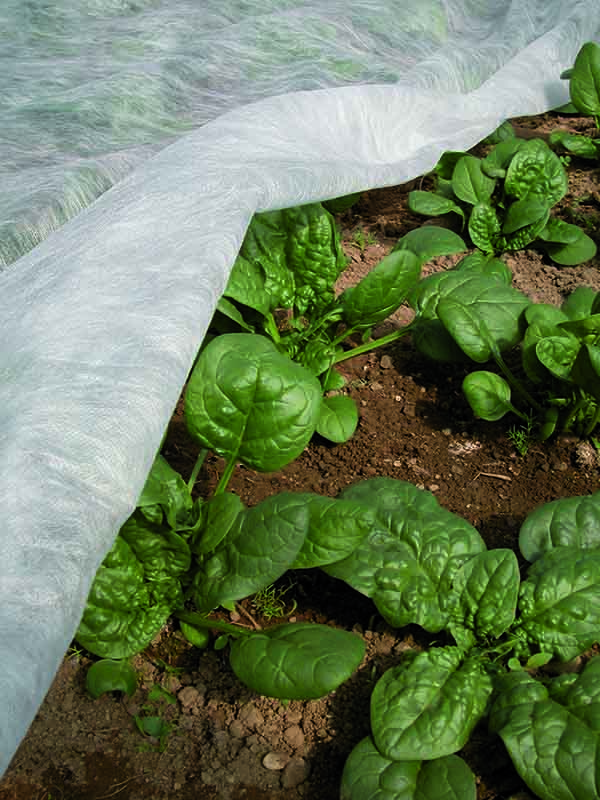
MULCHING is a technique of cultivation, used both in the garden or in the vegetable garden, that mimics this process by covering the ground at the base of plants with organic or inorganic material.
Benefits
 |
Prevents weeds growth; |
 |
Conserve soil moisture, reducing the need for frequent waterings; |
 |
Maintain a more even soil temperature;
|
 |
Keeps the fertility of the soil, facilitating the growth of young plants; |
 |
Protects the soil from erosion; |
 |
Keeps fruits and vegetables clean. |
|
Which materials?
Mulching can either be organic (leaves, bark, peat, etc..) or inorganic (i.e. gravel) or synthetic (sheets, films or non-woven fabrics in PE, PP or PET).
The disadvantage of organic materials is their quick deteriorating over time; while inorganic materials are not simple to transport, lay and remove. Synthetic covers, fabrics or film instead are convenient and light-weight, and can be easily installed or removed.

How to mulch
| a) |
Lay down the sheet on the ground, previously and carefully cleared of weeds; |
| b) |
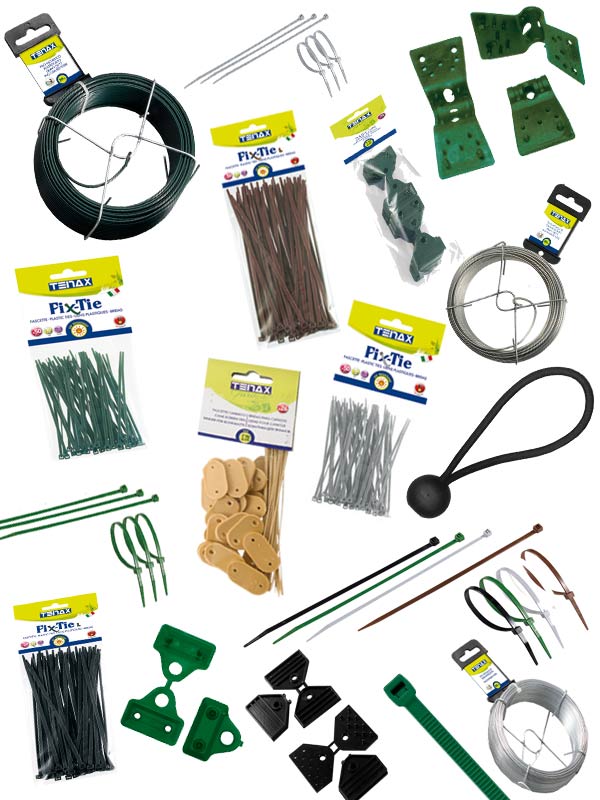
Fasten the sheet to the ground with TENAX pegs. |
| c) |
Cut it in a cross shape where young plants will be planted; |
| d) |
For a better finishing, cover with bark or gravel. |
|